Situation
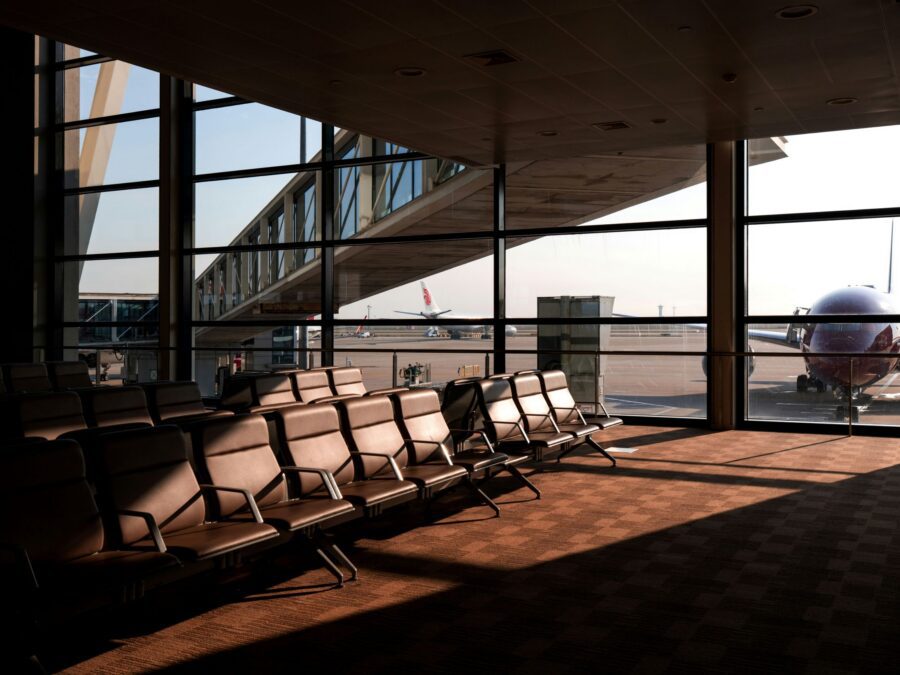
In large international airports, seating areas are a central part of the overall passenger experience, particularly because this is often where passengers spend most of their time. Travellers need to be able to quickly find a place where they can rest, eat, work, charge their digital devices, or simply wait comfortably until it is time to go to their gate. This particular airport was facing a major and necessary investment in upgraded seating areas and therefore needed to understand how different types of seating products and configurations affect comfort, behaviour, passenger flow, and satisfaction in the departure lounge.
Complication
Optimising seating areas is a complex task: How do you create a space that supports high comfort, seamless flow, and practical needs, while also ensuring sufficient seating capacity, a clear and manageable layout, and a satisfactory level of cleanliness? In addition to this focus on passenger needs, the airport’s own operational and commercial interests must also be taken into account before making major investments in new seating solutions.
Recommendation
To incorporate the voice of passengers into this investment decision, Epinion gathered insights through qualitative and quantitative methods over several phases in a particular seating area. Both individual products, new layouts, and practical facilities were all evaluated, enabling Epinion to present comparative analyses and robust recommendations on which seats and configurations would provide the best future seating solution. As a result, the airport gained a more user-oriented and strategic foundation for developing seating areas that support both passenger experience and commercial operations.